Trump's new tariffs leave room for talks and legal challenges
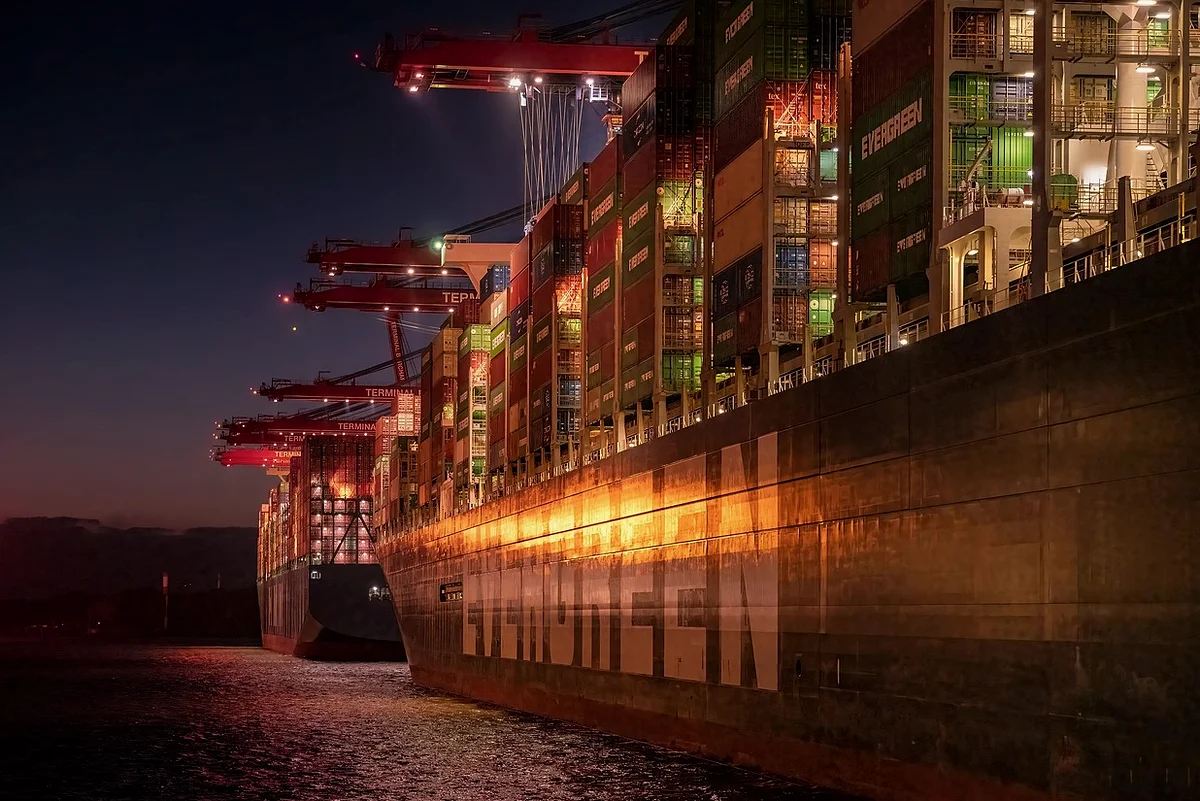
Trade flows had already begun to shift.
The US accounted for 19% of China’s exports in 2018, but its share had fallen to 15% two years ago and is around 10% this year. China’s exports so far in 2026 are down about 8% compared with 2024, while the increase in shipments to other markets is more than 25 times that decline. Canada’s exports to the USA have remained flat since tariffs were imposed, with fewer cars and lumber going across the border and energy shipments bringing higher prices. Canadian sales to other countries, particularly commodities, have risen sharply. These changes show how trade routes have adjusted as countries respond to US tariffs.
Earlier tariff decisions set the legal backdrop.
Last April’s announcement came with a public display that is absent from the latest move. The new tariffs largely replace earlier duties justified under forced labour provisions. Earlier this year, the Supreme Court struck down the original emergency basis for tariffs, leaving many countries with two legal grounds on which they rest. A group of 25 states has sued the Trump administration to overturn the forced labour tariffs. The UK was not affected by this week’s new announcements, but still faces a 10% addition to global tariffs under those provisions, and the US took no action in response to the UK’s digital services tax.
The latest announcement leaves room for negotiation.
This week’s move was more tentative than last April’s, with further talks under discussion. US Trade Representative Jamieson Greer said, “We expect to have a broad, even a plurilateral negotiation to talk about excess capacity and how to resolve it”. The US argues that other countries, including allies, damage its goods trade position by supporting their domestic industries, and says this justifies the tariffs. The announced rates are upper limits and may be negotiated, rather than final rates. They are not scheduled to start until January or possibly February, after consultation.
Congress and Canada add pressure to the tariff debate.
The tariffs still need to be finalised under a Democrat Congress, which has influence but not power. Speaker-designate Hakeem Jeffries said the new House would in its first 100 days "move aggressively to… repeal the Trump tariffs". More than half of the tariffs on Canada are authorised under Section 338 of the 1930s Smoot-Hawley act. A Senate bill already proposes repealing them, and enough Republican dissenters in the House and Senate could potentially threaten to override a presidential veto. Incoming Senate Finance Committee chair Ron Wyden said Democrats were focused on "figuring out a way to beat Trump and his veto".
Trade talks and tariff decisions remain ahead.
Democrat senators, including Chris Coons, have been making the case for an interim arrangement on Canadian television. Chris Coons told CBC: "Frankly, if you can get an interim deal, I'd take it, and then put it to us in the new majority to legislate an even better deal." For China, the 20% tariff rate is the truce rate set by last year’s Trump-Xi deal, which is due to expire in mid-January. Beijing has not retaliated, has described industrial overcapacity as a false issue and has called for the deal to be implemented. The next month’s G20 summit at the president’s Miami resort is identified as an important moment for trade discussions, while economists expect some tariffs to remain in place for years.